Find Top-Rated Commercial Roofing Services Near You

Evaluating commercial roofing needs involves property age, climate, sustainability goals, and budget…….
The commercial roofing industry plays a pivotal role in shaping the built environment, offering specialized services tailored to meet the unique needs of non-residential structures. This comprehensive article aims to explore the intricate world of commercial roofing services, delving into its various facets, global impact, and future prospects. By understanding this sector, businesses, architects, and property managers can make informed decisions regarding their roof investments, ensuring longevity, sustainability, and optimal performance.
Commercial roofing services encompass a wide range of activities aimed at designing, installing, maintaining, and repairing roofs on commercial buildings, warehouses, offices, retail spaces, and industrial facilities. It involves complex processes and specialized knowledge to address the specific challenges posed by these structures. Key components include:
Roof Design and Engineering: This stage involves creating a structural blueprint, considering factors like building design, local climate, and load requirements. Engineers utilize advanced software to ensure the roof can withstand various stresses, including wind, snow, and dead loads.
Material Selection: Commercial roofs employ diverse materials such as asphalt shingles, metal panels, TPO (Thermoplastic Olefin), EPDM (Ethylene Propylene Diene Monomer), and rubber. Each material has unique characteristics, offering benefits in terms of durability, cost, and energy efficiency.
Installation: Skilled roofers execute the physical installation, employing specialized equipment and techniques. This process demands precision to ensure proper flashing, sealing, and alignment for a waterproof barrier.
Maintenance and Repairs: Regular maintenance is crucial to extend roof lifespan. Services include inspection, cleaning, repair of damaged areas, and replacement of worn-out components like gutters and drains.
The concept of commercial roofing has evolved significantly over centuries. Historically, roofs served primarily as shelters, with basic materials like thatch and wooden shingles. With the industrial revolution, metal roofing gained popularity due to its durability and strength. The 20th century saw the introduction of modern synthetic materials, offering improved performance and lower maintenance costs.
Today, commercial roofing services are indispensable for:
Commercial roofing services have a profound global impact, with varying local practices and materials. For instance:
Sustainability Focus: There is a growing emphasis on environmentally friendly materials and practices, leading to increased use of recycled content, cool roofs, and green certifications (e.g., LEED).
Smart Buildings and IoT: The integration of Internet of Things (IoT) devices enables real-time monitoring of roof conditions, predictive maintenance, and enhanced energy management.
Modular and Prefabricated Roofing: These offsite manufactured systems offer faster installation, reduced construction waste, and improved overall efficiency.
Roof as a Platform: Some buildings utilize their roofs for additional functions like solar panels, wind turbines, or green spaces, creating multi-purpose structures.
The commercial roofing services market is influenced by several economic factors:
| Factor | Impact |
|---|---|
| Building Construction Trends | Rising construction activities drive roof replacement and new project demands. |
| Material Prices | Volatility in raw material costs affects overall project expenses, prompting contractors to explore alternative materials or negotiate pricing with suppliers. |
| Energy Costs | Fluctuations impact the energy efficiency segment, encouraging investments in high-performance roofing systems. |
| Government Incentives | Tax credits and subsidies for energy-efficient roofs stimulate market growth. |
Investors in the commercial roofing sector often focus on:
Advanced Materials: Newer materials like self-cleaning coatings, impact-resistant polymers, and lightweight composite panels are transforming roof performance and durability.
Digital Design Tools: Building Information Modeling (BIM) software enhances design accuracy, visual representation, and clash detection during the planning phase.
Drone Technology: Drones equipped with high-resolution cameras facilitate efficient roof inspections, identifying issues faster and safer than traditional methods.
AI and Machine Learning: These technologies predict roof failures by analyzing historical data, enabling proactive maintenance strategies.
The future holds immense potential for:
Commercial roofing services operate within a regulatory framework that varies across regions:
Building Codes: Local governments enforce building codes dictating minimum roof performance standards, material choices, and construction practices.
Environmental Regulations: Many countries have regulations promoting sustainable roofing practices, such as the Energy Star program in North America or the EU’s EcoDesign Directive.
Occupational Safety and Health Standards: Organizations like OSHA (Occupational Safety and Health Administration) in the US ensure safe working conditions during roof installations and repairs.
Regulatory bodies shape industry practices through:
The commercial roofing industry faces several challenges:
Labor Shortages: Skilled roofer shortages across regions strain industry capacity, leading to increased training initiatives and incentives to attract new talent.
Material Sourcing and Cost Volatility: Global supply chains can disrupt material availability and pricing, requiring contractors to be agile in sourcing alternatives or negotiating contracts.
Regulatory Compliance: Keeping up with evolving building codes and regulations is a constant challenge, necessitating continuous professional development for industry professionals.
Project: The City Hall of Toronto, Ontario, implemented a large-scale green roof project as part of its urban greening initiative.
Solution: A comprehensive design and installation by a specialized roofing contractor transformed the flat roof into a vibrant oasis with native plant species, rainwater management systems, and energy-efficient lighting.
Impact: The project reduced the building’s energy consumption by 20%, improved insulation, extended the roof’s lifespan, and created a unique urban space for residents. It received numerous awards for its environmental and social benefits.
Project: A high-rise office tower in Singapore incorporated advanced roofing technologies as part of its smart building concept.
Solution: The roof was fitted with solar panels, a rainwater harvesting system, and IoT sensors to monitor temperature, humidity, and structural integrity. Energy-efficient LED lighting and dynamic facade screens enhanced the building’s performance.
Results: The project achieved a Net Zero Energy rating, reduced water consumption by 40%, and provided real-time data for efficient facility management, setting a new benchmark for sustainable commercial roofing in Asia.
Initiative: Following major hurricanes, community-based roofing programs have been implemented to help rebuild affected areas quickly and affordably.
Approach: Local contractors collaborate with government agencies and non-profits to provide free or discounted roof replacements using durable, hurricane-resistant materials. Training programs equip local workers with essential skills for long-term employment.
Benefits: These initiatives not only restore homes but also create jobs, stimulate local economies, and enhance community resilience against future natural disasters.
Smart Cities and Digital Integration: The integration of commercial roofs with IoT devices and smart building technologies will expand, enabling cities to optimize energy use, waste management, and infrastructure monitoring.
Sustainable Roofing: There will be increased demand for environmentally friendly materials, particularly as governments worldwide implement stricter environmental regulations.
Offsite Manufacturing: Prefabricated and modular roofing systems will gain traction, offering faster installation times, reduced construction waste, and improved quality control.
Commercial roofing services play a critical role in shaping the built environment’s resilience, sustainability, and aesthetics. With technological advancements, shifting global trends, and evolving regulatory landscapes, the industry is poised for significant growth while facing challenges that demand innovative solutions. By understanding these dynamics, businesses, policymakers, and property managers can make strategic decisions to leverage the future potential of commercial roofing while addressing pressing issues.
Q: How do I choose the right roofing material for my commercial building?
A: Consider factors like climate, budget, energy efficiency goals, and structural requirements. Consult with experts to assess long-term benefits and performance characteristics of each material.
Q: What are the benefits of a green roof?
A: Green roofs provide insulation, reduce urban heat islands, improve air quality, support biodiversity, and extend roof lifespan. They also offer unique outdoor spaces for employees and residents.
Q: How can I ensure my commercial roof complies with local regulations?
A: Stay informed about building codes and regulations through industry associations and local government websites. Engage licensed contractors experienced in navigating these requirements to ensure compliance during installation and maintenance.
Q: Are there cost-effective ways to replace an old, damaged roof?
A: Yes, consider partial replacements or repairs for smaller areas. Upgrade to more durable materials that require less frequent replacement. Prefabricated systems can also offer cost-efficient solutions while maintaining quality.
Q: How frequently should I inspect and maintain my commercial roof?
A: Regular inspections (at least twice a year) help identify issues early. Maintenance schedules depend on the roof’s age, type, and climate. Preventive maintenance programs extend roof lifespan and ensure optimal performance.
Evaluating commercial roofing needs involves property age, climate, sustainability goals, and budget…….

Commercial Roofing Services (CRS) are crucial for protecting business assets. Arizona's demandi…….

Commercial Roofing Services specialists like Stapleton Commercial Roofing & Construction offer t…….

Commercial Roofing Services specialists are crucial for business owners, offering maintenance to rep…….

Business owners in Arizona require Commercial Roofing Services experts to maintain facility integrit…….

Commercial Roofing Services (CRS) are essential for safeguarding business investments and ensuring o…….
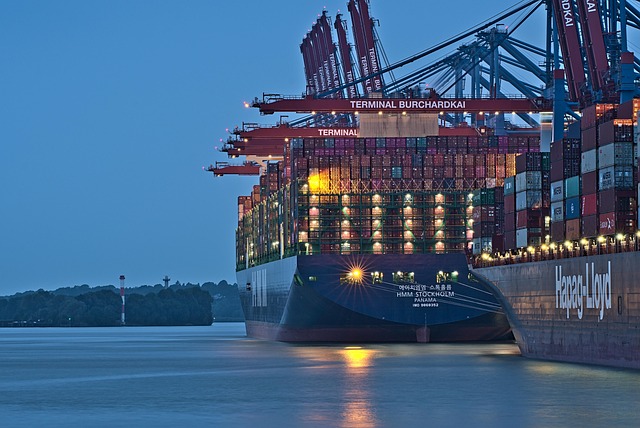
Commercial Roofing Services contractors assist Arizona business owners with tailored solutions based…….
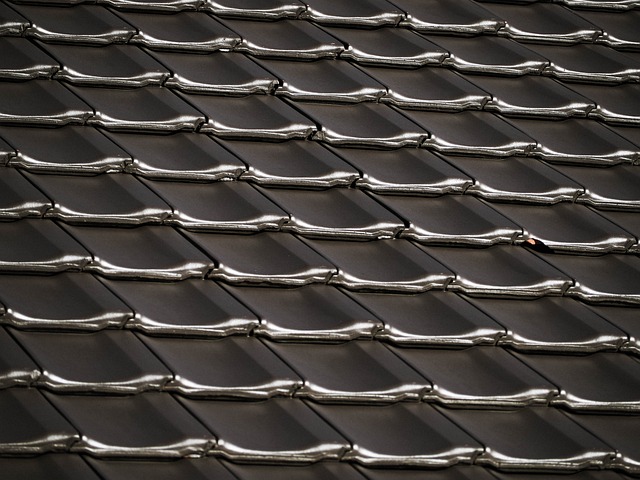
Business owners need comprehensive Commercial Roofing Services to protect their properties from uniq…….
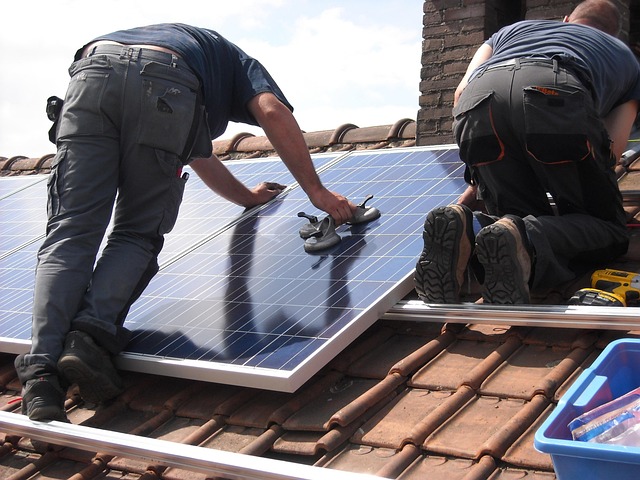
Commercial roofing services require tailored approaches based on climate, structural integrity, ener…….

Commercial Roofing Services experts offer specialized knowledge for top-tier commercial roofing solu…….